



















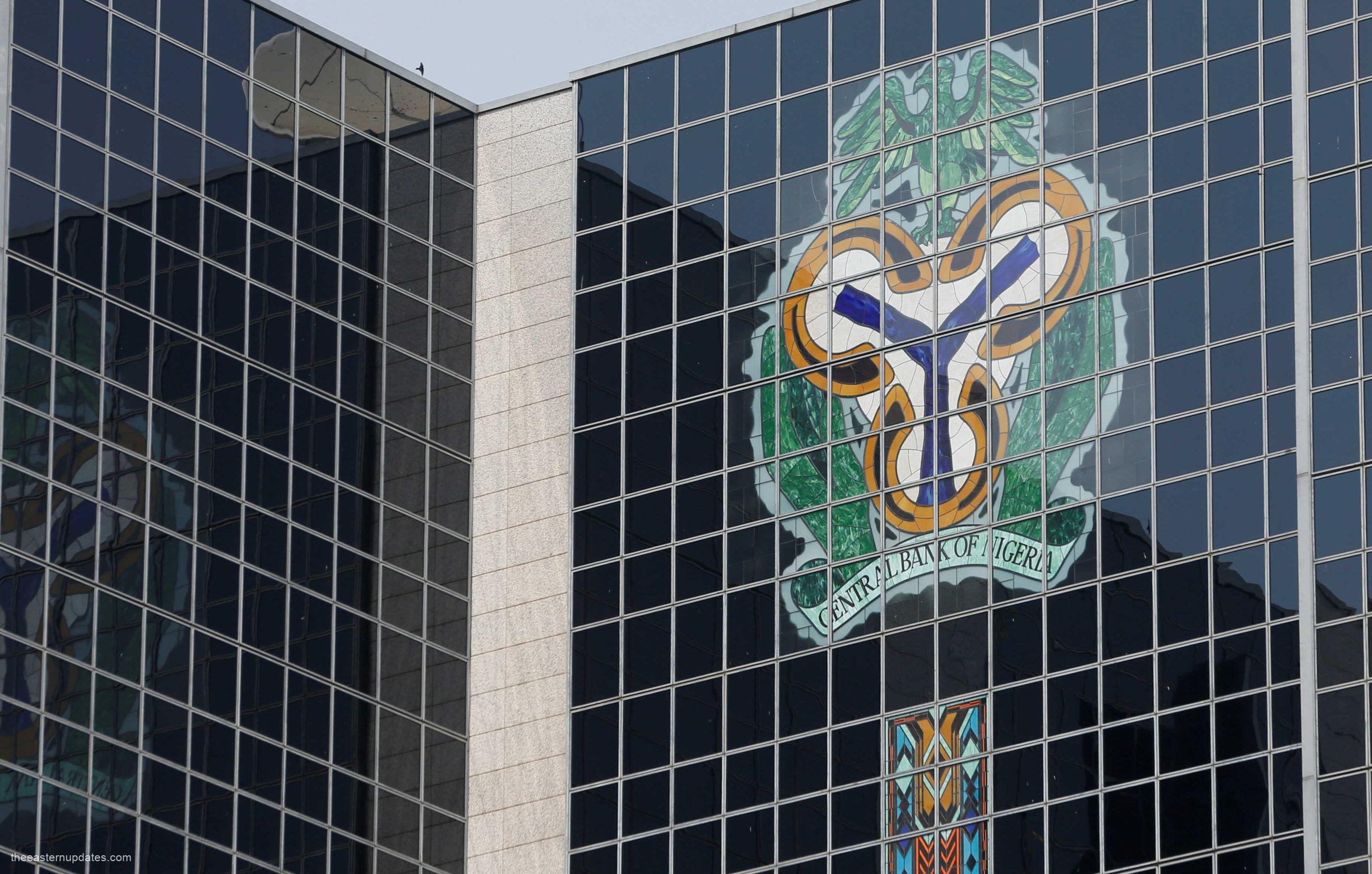
CBN has overhauled its sanctions framework for cheque printing compliance, imposing a ten million naira fine and mandatory withdrawal of cheques from circulation on any deposit money bank found using unaccredited printers or personalisers in the production of customer cheque booklets.
The Central Bank of Nigeria issued the revised framework in a circular dated February 10, 2026, addressed to all deposit money banks and accredited cheque printers and personalisers, titled “Revised Sanctions on Defaulters of the Nigeria Cheque Standard and Nigeria Cheque Printers’ Accreditation Scheme 2.0.”
The circular, signed by Hamisu Abdullahi, Director of the Banking Services Department, marks the first comprehensive revision of the sanctions regime since 2019 and significantly increases financial penalties across a range of infractions.
Under the revised framework, any commercial bank found to have engaged an unaccredited cheque printer or personaliser faces withdrawal of all its cheques from circulation and a ten million naira penalty. A repeat offence doubles the fine to twenty million naira while the circulation withdrawal remains in force.
The dual-edged sanction, combining financial penalties with operational disruption, signals a shift toward more consequential enforcement. Withdrawing cheques from circulation effectively halts a bank’s cheque operations until the central bank is satisfied with remediation, a disruption that could affect both retail and corporate clients dependent on cheque instruments.
The revised framework also imposes distinct penalties on accredited cheque printers and personalisers. Any accredited entity found to have subcontracted cheque printing or personalisation work to a non-accredited operator faces a six-month suspension of its license and a ten million naira fine. Failure to produce or personalise cheques in conformity with NCS and NICPAS standards will require reprinting at the offending party’s own cost, plus a ten million naira fine that rises to twenty million naira for repeat violations.
Read Also: CBN Approves $150k Weekly Foreign Exchange Per Bureau
The introduction of unapproved security features by either commercial banks or accredited cheque printers carries a ten million naira penalty per security feature, with the fine to be shared equally between the bank and the accredited printer involved. The provision is designed to prevent unauthorized modification of cheque security infrastructure, which underpins fraud prevention across the national clearing system. Introducing unapproved watermarked paper in cheque production triggers one of the harshest consequences in the revised grid, resulting in withdrawal of all affected cheques from circulation and a twenty million naira fine, with loss of accreditation applying to repeat offenders.
Several other infractions carry their own specific penalties. Accredited personalisers that fail to submit personalised cheque samples for testing and analysis will face a five million naira fine based on CBN or MICR Technical Implementation Committee audit findings. Improper encoding of cheques or failure to meet mandatory security and quality standards attracts a minimum fine of ten thousand naira per instrument, a provision that could accumulate rapidly given the volume of cheques processed daily across Nigeria’s banking system.
Commercial banks that fail to validate Magnetic Ink Character Recognition data at the point of truncation face a minimum fine of ten thousand naira per instrument. Banks and accredited printers that fail to request or obtain delivery confirmation of shipped cheque consignments will receive a formal warning on first occurrence, with a two million naira penalty applied for any subsequent violation.
The central bank explained that the review was necessitated by changes in the banking environment since the previous sanctions grid was introduced. “In furtherance of the bank’s commitment to increase the efficiency and safety of the Nigeria Clearing System, it has become imperative to review the aforementioned Sanction Grid to reflect the current realities in the banking industry,” the circular stated.
The NICPAS framework was introduced in 2006 by the CBN in collaboration with the Bankers’ Committee, with the objective of promoting efficiency and safety in the cheque clearing system through reduced reject rates, facilitation of image technology, and reduction in cheque fraud by standardizing design and security features.
A second edition of the NCS and NICPAS was released in 2019 and introduced several new features including Quick Response codes for faster verification, cheque expiry dates, cheque check digits, and personaliser details, all designed to take advantage of technological advances and improve overall security in cheque production and processing.
Read Also: CBN Warns Liquidity, Election Spending Risk Economic Gains
The central bank conducts annual accreditation of cheque printers and personalisers in Nigeria, maintaining a published list of approved entities. Currently accredited commercial banks approved as cheque personalisers include Zenith Bank, Ecobank, First Bank, Stanbic IBTC Bank, Keystone Bank, Providus Bank, and Wema Bank.
The revision comes amid broader CBN efforts to tighten discipline across the payments system. In November 2025, the apex bank released a draft guideline proposing a five-year ban for customers who issue dud cheques on three separate occasions, alongside additional sanctions for banks that fail to report such violations within stipulated timeframes. That proposal was released for industry consultation and has not yet been finalized. Despite the growing dominance of electronic payment channels in Nigeria, cheques remain a significant instrument for high-value commercial transactions and certain institutional payments. The central bank maintains a ten million naira cap on individual cheque payments, a threshold introduced in 2010 that has remained unchanged even as electronic transfers have grown to handle the vast majority of retail transactions.
All deposit money banks and accredited cheque industry operators have been directed to comply immediately with the revised sanctions grid.