















|
Listen to article
|
Former lawmaker Shehu Sani has defended First Lady Oluremi Tinubu‘s endorsement of recent United States military operations against armed groups in northwestern Nigeria, describing the strikes as necessary given the severity of terrorist violence in the region.
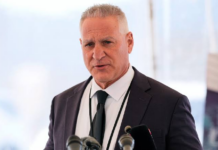
Sani, who represented Kaduna Central in the Senate from 2015 to 2019, questioned public criticism directed at Mrs. Tinubu over her remarks supporting the December airstrikes in Sokoto State. Writing on his X account Tuesday, he characterized the operations as a positive development and called for expanded Nigerian Air Force campaigns against criminal networks. “The December air strikes against bandits and terrorists in the North was a welcome development. More strikes by our Air Force are needed against those mass murderers, rapists and kidnappers,” Sani wrote. He added that Mrs. Tinubu’s position was justified given the brutal tactics employed by armed groups operating across Nigeria’s northwest and northcentral regions. “What Senator Remi said is right. I don’t know why some people are attacking her in view of the heinous atrocities of those terrorists,” he stated, using the First Lady’s first name and senatorial title from her previous political role.
The airstrikes occurred on December 25, 2025, when U.S. military forces conducted operations in Sokoto State near Nigeria’s border with Niger. American officials said the targets were Islamic State militants responsible for attacks on civilian populations, including Christian communities.
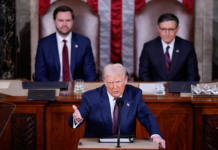
President Donald Trump publicly referenced the mission, calling it a “Christmas present” and claiming it inflicted significant damage on IS positions. U.S. Africa Command issued a statement confirming that multiple militants were killed during the strikes, though the exact casualty figures were not disclosed. Some reports have challenged the official narrative, suggesting the strikes may have hit unoccupied farmland or abandoned encampments rather than active militant positions. These conflicting accounts have not been independently verified, and neither the Nigerian nor U.S. governments have released detailed battle damage assessments.
Mrs. Tinubu addressed the strikes during a visit to Washington last week, where she met with U.S. officials and participated in media interviews. Speaking with Fox News, she described the American intervention as beneficial to Nigerian security efforts and expressed optimism about expanded bilateral cooperation. “The intervention of the U.S. was quite a welcome development. Nigeria looks forward to greater collaboration with the United States on security issues, and we expect there will be more,” the First Lady said.
Read Also: Oluwaremi Tinubu: Leaders Respected Abroad, Criticized at Home
Her comments emphasized the need for enhanced intelligence sharing and coordinated counter-terrorism operations between the two nations. She framed the strikes as part of a broader partnership aimed at degrading armed groups that have destabilized large sections of northern Nigeria.
The remarks drew mixed reactions domestically. Critics argued that celebrating foreign military operations on Nigerian soil undermined national sovereignty and raised questions about the government’s ability to independently address internal security challenges. Supporters, including Sani, contended that the severity of the threat justified international assistance.
Mrs. Tinubu’s Washington visit coincided with heightened scrutiny from U.S. lawmakers over religious violence in Nigeria. Members of Congress have raised concerns about attacks on Christian farming communities by armed herders and the Nigerian government’s response to sectarian tensions.
In January, the Trump administration designated Nigeria a country of particular concern for religious freedom violations, a classification that carries potential diplomatic and economic consequences. The designation reflected ongoing concerns about violence between Muslim herders and predominantly Christian farming communities, as well as attacks by extremist groups. Nigerian officials have rejected the characterization, arguing that violence in the country stems from criminal activity, resource competition, and banditry rather than religious persecution. They maintain that both Christian and Muslim communities have suffered casualties from insecurity. The First Lady’s trip to Washington appeared designed in part to address American concerns and signal Nigeria’s commitment to combating extremism. Her public support for the U.S. strikes represented a departure from typical Nigerian government rhetoric, which often emphasizes sovereignty and non-interference.
Northwest Nigeria has experienced escalating violence over the past decade as armed criminal gangs, locally called bandits, have seized control of rural areas. These groups engage in kidnapping for ransom, cattle rustling, village raids, and mass abductions from schools. Some have established territorial control and levy taxes on communities.
While many of these groups are motivated primarily by financial gain, some have adopted extremist ideologies or forged alliances with jihadist organizations including Islamic State and al-Qaeda affiliates. The blurred lines between criminality and terrorism have complicated military responses.
Read Also: ‘Nigeria Will Not Disintegrate’ – First Lady Oluremi Tinubu
The Nigerian Air Force has conducted numerous airstrikes against bandit camps in Zamfara, Kaduna, Katsina, and Sokoto states over the past several years. These operations have yielded mixed results, with military officials claiming significant enemy casualties while local communities sometimes report civilian deaths from misidentified targets.
Sani’s call for increased air operations reflects frustration among some Nigerian politicians and security analysts over the persistence of armed violence despite years of military deployments. Others have argued that kinetic operations alone cannot resolve the crisis without parallel efforts to address poverty, unemployment, and governance failures that enable armed groups to recruit. The extent of future U.S. military involvement in Nigeria remains unclear. American forces maintain a limited presence in West Africa focused on training, intelligence support, and occasional direct action missions against high-value terrorist targets. Whether the December strikes represent expanded engagement or a one-time operation has not been officially clarified.