














|
Listen to article
|
Iran’s foreign minister landed in Saint Petersburg on Monday to meet Vladimir Putin, completing a diplomatic sprint through three countries in as many days — a circuit that underscores how much of the work to keep the US-Iran conflict from reigniting is being conducted through intermediaries while the two principals refuse to sit in the same room.
Abbas Araghchi arrived in Russia after stops in Islamabad and Muscat, his foreign ministry confirmed on Telegram. The Oman visit had focused, in Araghchi’s own words posted on X, on ensuring safe transit through the Strait of Hormuz “to the benefit of all dear neighbors and the world.” He added: “Our neighbors are our priority.” The language was conciliatory in register and careful in scope — the kind of statement that keeps a door open without committing to walking through it.
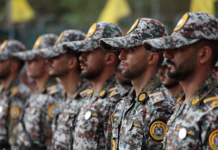
The diplomatic momentum behind Araghchi’s tour is real but fragile. Iran’s Revolutionary Guards made sure of that, posting on their official Telegram channel on the same day their foreign minister was offering safe transit assurances to Omani officials. “Controlling the Strait of Hormuz and maintaining the shadow of its deterrent effects over America and the White House’s supporters in the region is the definitive strategy of Islamic Iran,” the Guards declared.
The two messages — Araghchi’s neighbourly diplomacy and the Guards’ strategic defiance — exist simultaneously because the Islamic Republic has always operated that way, and because the tension between them is not a contradiction to be resolved but a posture to be maintained.
Read also: Global Defense Budgets Rise 2.9% As US Reduces Ukraine Aid
The breakdown of the planned Islamabad talks last Saturday set the current scramble in motion. Trump cancelled the trip by envoys Steve Witkoff and Jared Kushner after Iranian state television reported that Araghchi had no plans to meet US officials in Pakistan. Trump’s response on Sunday was characteristically flat: if Iran wanted talks, “they can come to us, or they can call us.” He separately confirmed that cancelling the trip did not signal a return to fighting. The ceasefire, however battered by competing interpretations and periodic violations in Lebanon, continues to hold.
Signs that the back-channel is still functioning emerged through the Iranian news agency Fars, which reported that Tehran had sent written messages to Washington via Pakistan outlining its red lines — nuclear issues and the Strait of Hormuz among them.
The agency was careful to note these were not formal negotiations. Axios separately reported, citing a US official and two other sources, that Iran had sent a new proposal involving reopening the strait and ending the war, with nuclear negotiations deferred to a later stage.
Iranian state media cited the report without denying it — a form of confirmation that preserves deniability.
The economic pressure driving the diplomatic urgency is not abstract. Iran’s closure of the Strait of Hormuz has severed flows of oil, gas and fertiliser that the global economy depends on, pushing prices higher and raising food security fears in developing nations already operating with minimal buffer. The US blockade of Iranian ports compounds the disruption from the other direction. Trump faces a domestic political timeline — midterm elections in November, rising fuel prices at American pumps, and polls that consistently show the war is unpopular with the electorate that voted him back into office.
Read also: Iran Refuses Talks Under Pressure; Trump Scraps Pakistan Trip
In Lebanon, the wider conflict continued to bleed through the edges of the ceasefire framework. Israeli strikes on southern Lebanon killed 14 people on Sunday, including two women and two children, and wounded 37, according to Lebanon’s health ministry. An Israeli warplane struck the village of Kfar Tibnit after evacuation warnings were issued.
A mosque and another religious building were destroyed in Zawtar al-Sharqiyah. Israel reported a soldier killed in combat. Hezbollah, which entered the conflict on March 2 by firing rockets at Israel following the death of Supreme Leader Ali Khamenei in an Israeli strike, said it would respond to what it described as ongoing Israeli violations of the 10-day Lebanon ceasefire agreed earlier this month.
Netanyahu told his weekly cabinet meeting that Hezbollah’s actions were “dismantling the ceasefire” and that Israel reserved the right to act not only in response to attacks but to pre-empt “immediate threats and even emerging threats.” Hezbollah said Israel’s continued occupation was the violation that rendered the ceasefire meaningless.