

















|
Listen to article
|
Nigerian authorities and international partners have raised concern over a widening trafficking network that is sending victims from West Africa into criminal cyber fraud compounds in Southeast Asia, warning that the scheme is expanding rapidly as traffickers exploit unemployment and overseas job demand.
The National Agency for the Prohibition of Trafficking in Persons and the British High Commission in Abuja convened a survivor centred forum on Monday where recently repatriated Nigerians described how they were recruited with promises of well paid employment abroad but instead ended up confined in online scam operations in countries including Myanmar, Laos, Cambodia and Thailand.
The meeting, titled “Confronting the Global Scam Center Crisis: Perspectives of Nigerian Survivors”, was organised shortly after the return of 23 Nigerians rescued through a joint operation involving NAPTIP, the Ministry of Foreign Affairs, Nigeria’s embassy in Bangkok and the British non governmental organisation EDEN.
Officials said the operation required coordination at the Thai Myanmar border and welfare monitoring of detainees held at Bangkok’s Immigration Detention Centre before their return home.
Participants at the forum described a consistent pattern. Victims were approached through social media advertisements and informal recruitment agents offering travel assistance and high paying positions in information technology, customer service or digital marketing.
Read more: NAPTIP Breaks Asian Cybercrime Ring, Saves 23
After arrival in Asia, their documents were seized and they were moved across borders to guarded compounds where they were compelled to carry out internet based fraud.
A 2026 report by the Office of the United Nations High Commissioner for Human Rights estimates at least 120,000 people are trapped in forced scam operations in Myanmar alone and more than 300,000 across Southeast Asia. The study, titled A Wicked Problem, found that between 2020 and 2025 nearly three quarters of known global victims trafficked into scam centres were transported to that region after accepting overseas job offers.
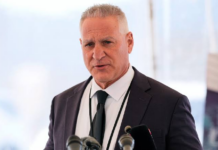
Speaking at the Abuja forum, British Deputy High Commissioner Gill Lever said authorities were prioritising survivor welfare and prevention. “We are here today to listen to survivors who have shown remarkable bravery in sharing their experiences,” she said, adding that their testimonies could help others recognise recruitment tactics used by traffickers. She said the United Kingdom would continue working with Nigeria and other Commonwealth partners to counter what she described as an evolving form of organised crime.
Representing the NAPTIP director general, the agency’s Director of Public Enlightenment said the accounts revealed conditions far different from conventional cybercrime narratives. She said victims were forced to participate in fraudulent online schemes under coercion and threat.
Read more: Naptip Reports 10 Teenagers Vanish In Imo Within 24 Months
“The courage these survivors have shown in sharing their stories is remarkable,” she said. “Their experiences expose the brutal reality of trafficking into scam centres, a crime that strips people of their dignity and freedom.”
Survivors described constant monitoring and punishment for failing to meet quotas imposed by handlers. One participant said he agreed to travel after being promised a legitimate job opportunity.
“I was promised opportunity, a good job and a chance for a better life. Instead, I was trapped and forced to do things that went against everything I believe in, while living in constant fear,” he said, adding that he decided to speak publicly to warn others.
Officials said traffickers increasingly target young Nigerians through messaging apps, online recruitment platforms and acquaintances posing as travel facilitators.
Victims are often moved across multiple borders, complicating rescue efforts and legal action.
NAPTIP said it is expanding public awareness campaigns and working with foreign missions to identify Nigerians held in similar facilities. Authorities also indicated that counselling and reintegration support would be provided to those returned, as many require psychological care after prolonged confinement.
The agency urged job seekers to verify overseas employment offers through official channels before making travel arrangements. It also called on families to report suspicious recruitment activities early so authorities can intervene before departure.
Organisers said the forum was designed not only to support survivors but to draw attention to a trafficking model that blends migration, organised crime and digital fraud.
Further cooperation between law enforcement agencies, diplomatic missions and humanitarian organisations is expected as officials continue tracing other Nigerians believed to be held in similar compounds across Southeast Asia.