



















|
Listen to article
|
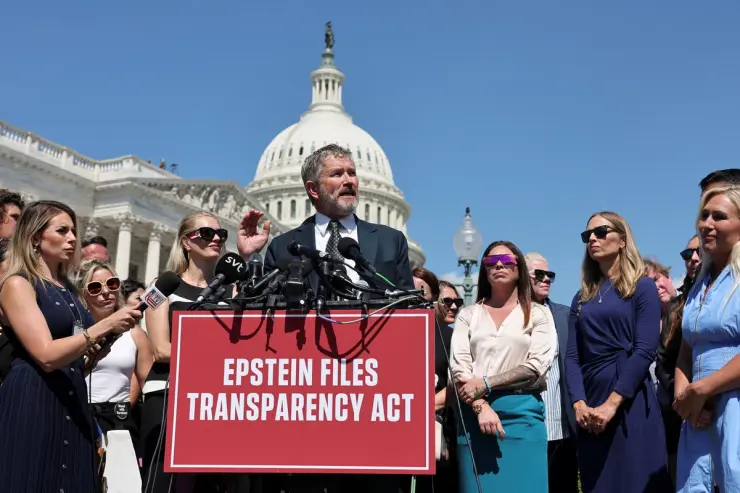
The US Department of Justice has released a massive new tranche of records tied to the Epstein Files Transparency Act, adding more than three million pages to the public record. The law was signed by President Donald Trump on November 19, 2025, and mandates the disclosure of federal materials connected to Jeffrey Epstein and related investigations.
According to the Department, the latest release includes over 2,000 video files and roughly 180,000 images. When combined with earlier disclosures, the total volume of material made public under the Act now stands at close to 3.5 million pages.
Officials said the documents were drawn from several major sources, including criminal cases against Epstein in Florida and New York, proceedings involving Ghislaine Maxwell in New York, federal inquiries into Epstein’s death, a Florida investigation involving a former Epstein employee, multiple FBI investigations, and a separate review conducted by the Office of the Inspector General.
Read also: President Trump Insists He Has ‘Nothing To Do’ With Epstein
The Department said it deliberately gathered materials broadly, even at the risk of over collection. Items not released fall into limited categories, such as duplicate records across jurisdictions, materials protected by legal privileges, content excluded under the Act including violent imagery, and documents entirely unrelated to Epstein or Maxwell.
More than 500 Justice Department attorneys and reviewers worked on the effort. Prosecutors in the Southern District of New York also applied an extra review process to comply with a court order requiring certification that no identifying information about victims was released without redaction.
Redactions, the Department stressed, were narrowly applied to protect victims and their families. Pornographic images were partially redacted, with officials stating that all women depicted were treated as victims. Names of prominent individuals or politicians were not removed.
The Department also warned that the release may contain fabricated or misleading submissions, as all material sent to the FBI by the public and responsive to the Act was included. This includes documents making false and sensational allegations against President Trump, which officials described as baseless and lacking credibility.