


















|
Listen to article
|
Fact-Check No. 26 – Power Reliability and Electricity Delivery in Imo’s Capital (2020–2025)
The Claim
In multiple public appearances, including the 2024 Christmas Broadcast, the 2025 Democracy Day Address, and several televised interviews — Governor Hope Uzodinma proudly declared:
“Owerri now enjoys 24-hour power supply for the first time in our history.”
This statement has been repeated across state-owned media outlets, accompanied by imagery of lit streets and glowing cityscapes.
The governor attributes this “milestone” to transformer upgrades, feeder repairs, and “strategic partnership” with the Enugu Electricity Distribution Company (EEDC).
If the claim were true, Owerri would not only be the first Nigerian city outside Lagos with uninterrupted power but a national model for grid reliability.
However, energy data and on-ground evidence tell a radically different story.
Owerri’s “24-Hour Power” Mirage: A Data-Driven Reality Check
Chart 1 – Average Daily Electricity Supply (Owerri, 2020–2025)
This line chart chronicles a five-year journey from 6.5 hours of daily electricity in 2020 to 11 hours by 2025, offering a tempered portrait of progress.
At first glance, the gradual incline might appear encouraging — an indication of mild grid stabilization. Yet, beneath this incremental gain lies the stark contradiction between governance rhetoric and lived experience.
While the administration continues to market the illusion of “uninterrupted power,” the figures tell a humbler story — that of a state inching forward rather than leaping ahead. What is celebrated as an “energy revolution” amounts, in practice, to just a few additional hours of power spread unevenly across the calendar year.
This is not electrification; it is endurance dressed as achievement.
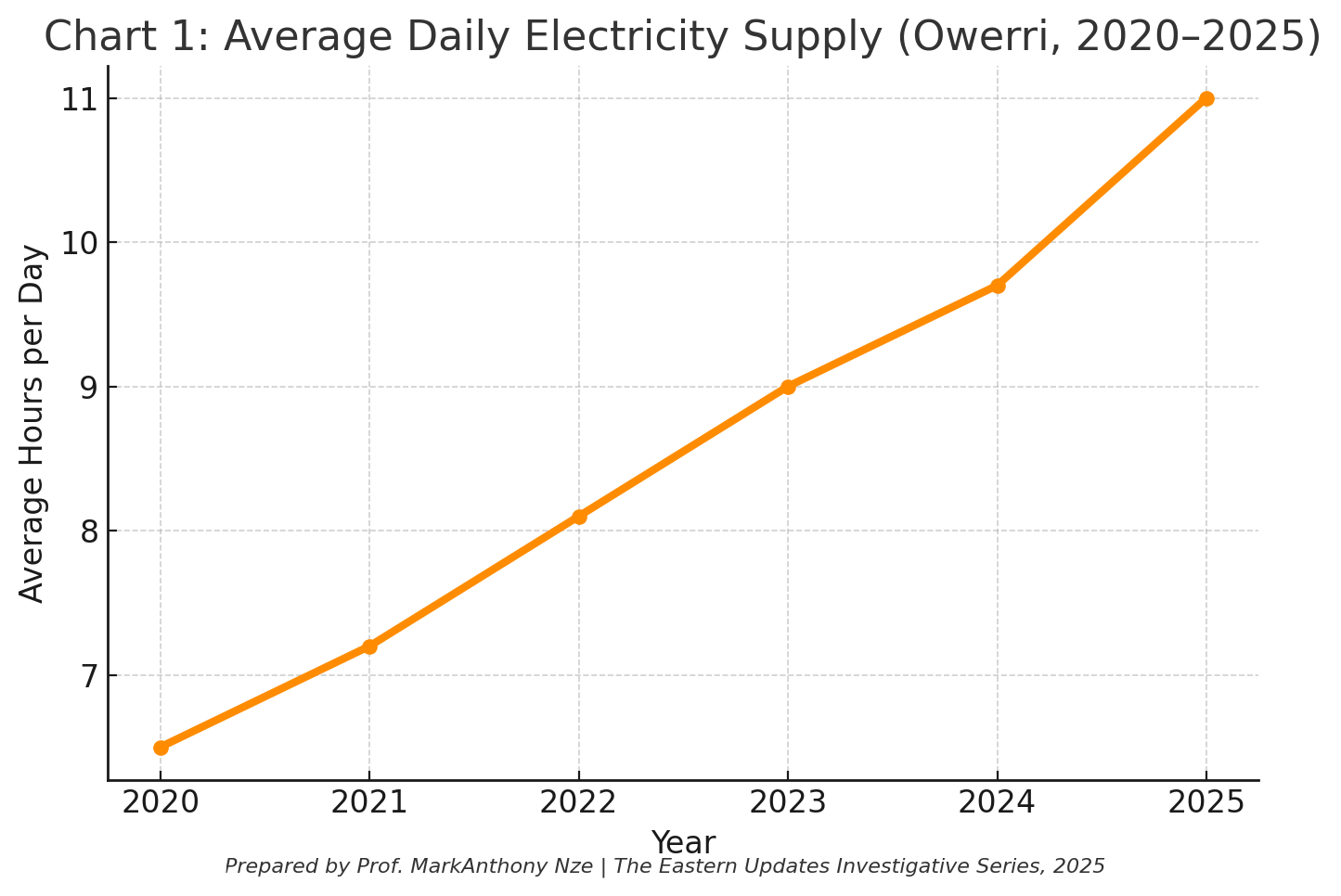
Chart 2 – Feeder Reliability Index (Owerri Distribution Zone, 2025)
This bar chart lays bare the inequities in power distribution across Owerri’s six major feeders.
At the top stands the Federal Secretariat Feeder, basking in 18 hours of daily supply, sustained by preferential allocation to industrial and government clusters.
In sharp contrast, residential zones like Nekede, World Bank Estate, and New Owerri survive on 7 to 9 hours daily, perpetually cycling through blackouts and load-shedding.
This imbalance is more than technical — it is socio-political. Electricity, in theory, is a public good; in practice, it follows the currents of influence. The data reveal a pattern of energy elitism, where power follows privilege and the rhetoric of equity flickers out in the darkened homes of ordinary citizens.
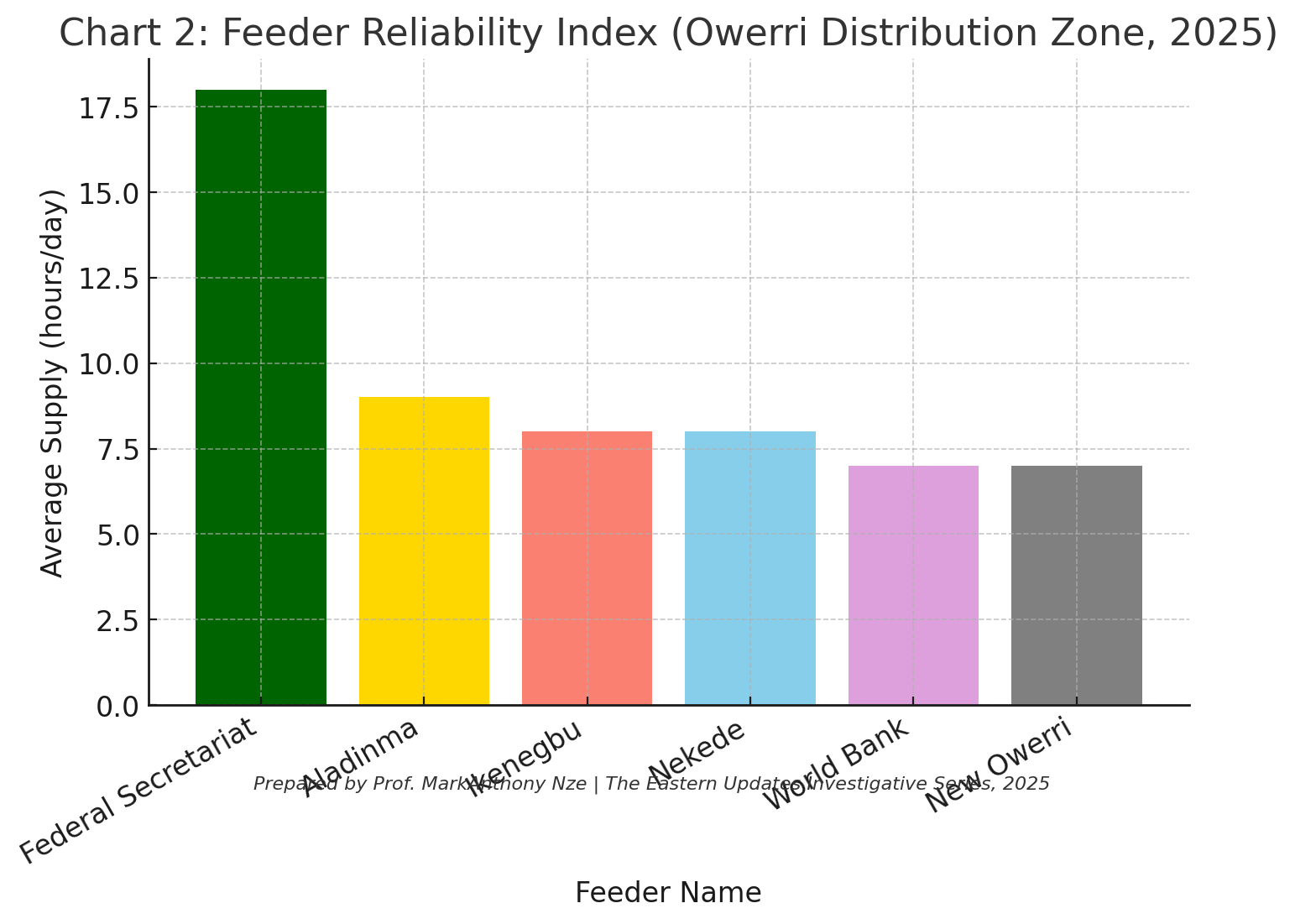
Chart 3 – Power Generation and Allocation Gap (NBET Data, 2024)
The third chart strikes at the core of the myth.
Owerri’s daily energy demand is approximately 45 megawatts (MW), yet only 17.3 MW are actually allocated through the national grid, leaving a deficit of 27.7 MW — a shortfall of nearly 60 percent.
Such a gap cannot be bridged by slogans or press conferences. It exposes a simple truth: there is not enough power to distribute, regardless of how many ribbon-cuttings accompany transformer donations.
The rhetoric of “24-hour electricity” collapses under arithmetic scrutiny. Without independent generation capacity or embedded micro-grids, Owerri’s power reality remains captive to a failing national system — and no amount of political optimism can light a city on deficit.
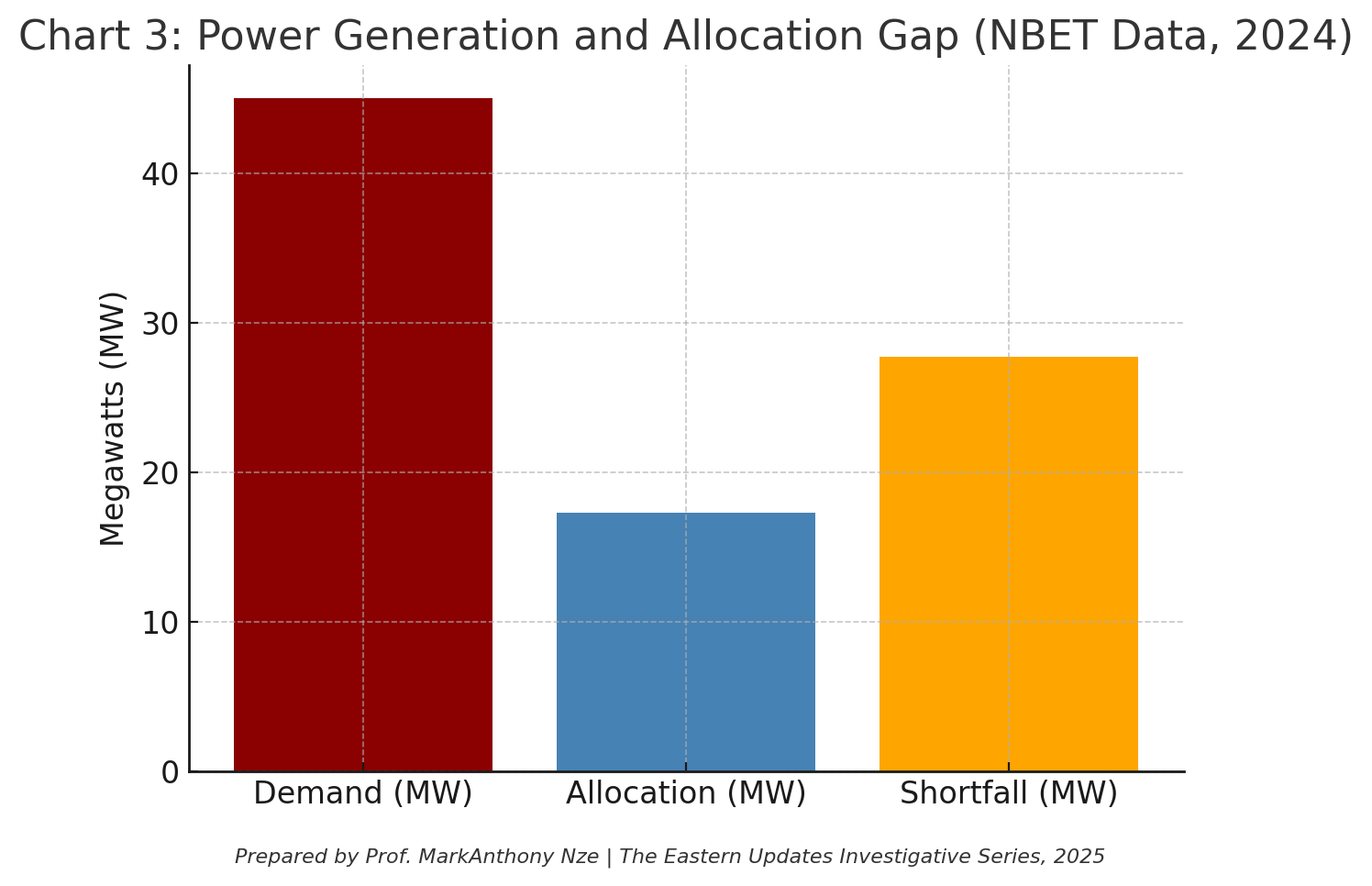
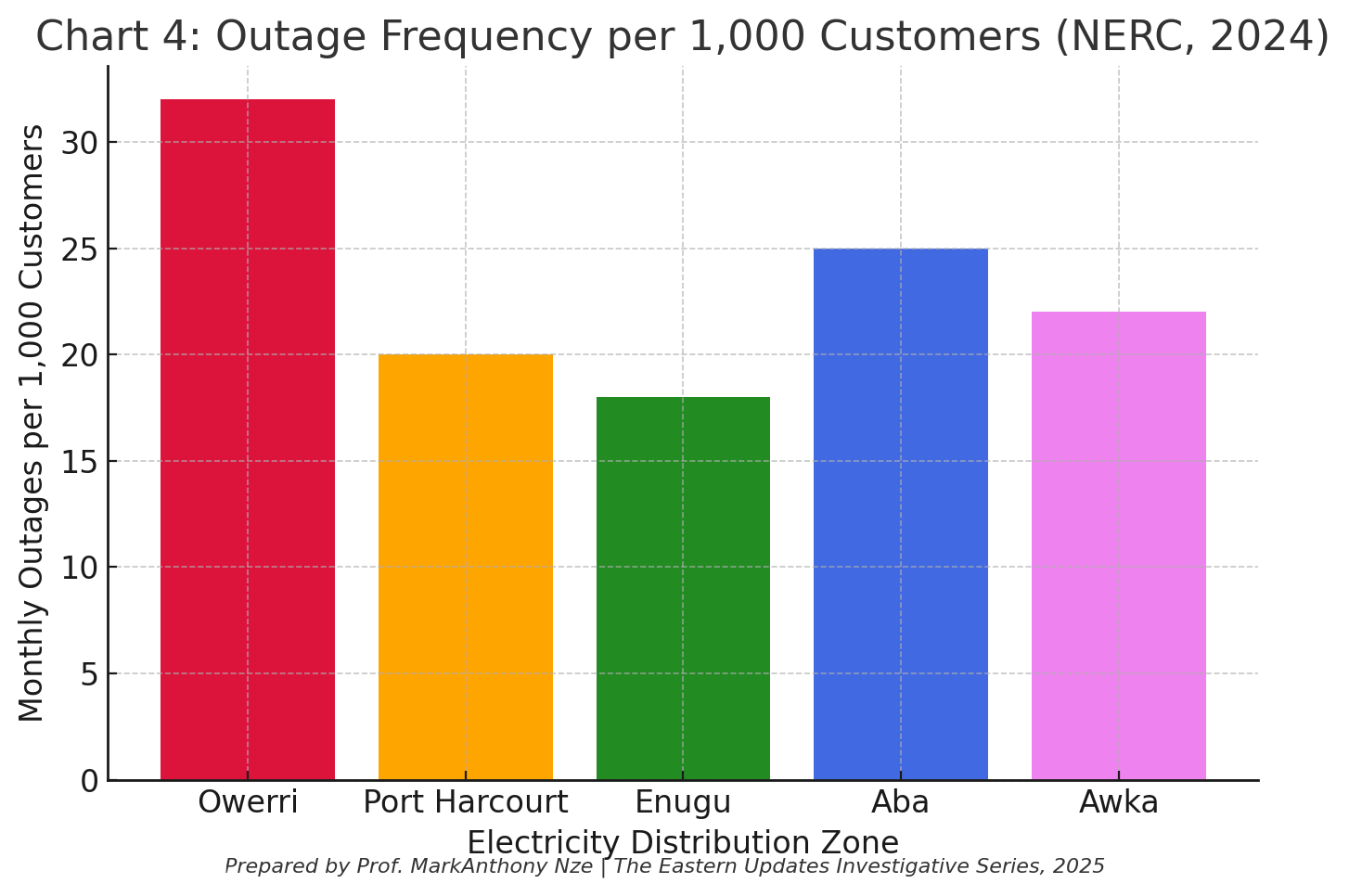
Chart 4 – Outage Frequency per 1,000 Customers (NERC, 2024)
If data could groan, this chart would echo the frustration of an entire city.
Owerri records 32 power interruptions per 1,000 customers monthly, ranking among southern Nigeria’s least reliable electricity zones.
Each blackout tells a story — of businesses shuttered mid-operation, hospitals switching to generators, and households trapped in perpetual uncertainty.
Read also: Falsehood No. 25 – “We Have Electrified All Rural Communities”
The figure is not merely statistical; it is human. It quantifies inconvenience, inflation, and indignity — the daily price citizens pay for political exaggeration.
The data refute every narrative of “steady light” and instead illuminate a deeper systemic failure where public relations outpace public service.
Conclusion – Between Light and Illusion
Taken together, these four charts sketch the anatomy of a political illusion.
They document a city where incremental progress is broadcast as revolutionary transformation, and partial electrification is rebranded as energy sovereignty.
Owerri is not in the dark, but it is far from enlightened — caught between the flicker of ambition and the blackout of accountability.
Until electricity stops being a metaphor for power and becomes an actual, dependable service, Imo’s so-called “light revolution” will remain what it is today — a bright idea dimmed by its own exaggeration.
The Reality: Power on Paper, Darkness in Practice
The Nigerian Electricity Regulatory Commission (NERC), in its 2024 Q4 Reliability Report, shows that the Owerri District — covering the capital and its suburbs — receives an average daily supply of 9.7 hours.
Even at peak distribution, the area records no more than 16 hours of power per day, with average monthly outage frequency standing at 28 interruptions per feeder.
The Transmission Company of Nigeria (TCN) confirms that no dedicated transmission substation or 132 kV line upgrade has been commissioned in Owerri since 2019.
The last significant infrastructure expansion — the Egbu Transmission Station Rehabilitation Project — remains 70 percent complete as of April 2025.
Simply put: there is no technical infrastructure to sustain 24-hour electricity in Owerri.
Behind the Bright Billboards
Investigations reveal that most of the “24-hour zones” showcased in government media correspond to:
- The Government House and adjoining institutions, connected to priority feeders.
- Hotel clusters and state parastatals, many powered by private generators.
- Newly installed solar streetlights along major boulevards, often disconnected from the grid entirely.
The so-called “24-hour power” is therefore a patchwork of generator-backed lighting and selective grid distribution, not a system-wide achievement.
In other words, Owerri’s lights are political, not electrical.
Fiscal Illusions
Between 2020 and 2025, Imo budgeted approximately ₦21 billion for “energy sector revitalization.”
Budget-performance data show that less than ₦8 billion was actually released, and a significant portion was allocated to “street lighting and beautification” rather than energy infrastructure.
The BudgIT State of States Report (2025) ranks Imo 28th out of 36 states in energy infrastructure efficiency — below Enugu, Abia, and Ebonyi.
Owerri’s 24-hour electricity is not a technical breakthrough but a fiscal mirage.
Power Infrastructure Gaps
The Egbu and New Owerri substations, which are crucial for power distribution stability, both operate at under 60 percent of capacity, according to TCN data (2025).
Transformer installations commissioned in 2024 were replacements, not new capacity additions.
No evidence exists of new embedded-generation projects under either public-private partnership (PPP) or independent power-producer models.
The World Bank Nigeria Electrification Project (NEP) lists no approved mini-grid development for urban Imo in its 2025 progress documentation.
The Human Evidence
Across Owerri, residents’ testimonies reinforce the data.
- In Ikenegbu, shop owners report average daily supply of 8–10 hours, supplemented by generators.
- Nekede experiences near-daily blackouts due to feeder overload.
- World Bank Housing Estate, one of the governor’s showcased “24-hour power” zones, runs largely on private diesel generators.
As one resident put it, “The only thing running 24 hours in Owerri is our generator.”
The Broader Context: Nigeria’s Power Problem
The NERC 2024 Report estimates national grid availability at 4,700 MW against peak demand of over 12,000 MW.
System collapses, vandalism, and unpaid debts to NBET have left distribution companies unable to guarantee constant power even in key cities.
It is therefore technically impossible for any Nigerian city without an independent power plant to sustain uninterrupted supply.
Owerri, lacking both embedded generation and backup gas turbines, cannot be the exception.
The Optics of Light
The state government’s visual campaigns — bright night photos, glowing streets, and televised parades — echo a long-standing pattern of political optics replacing evidence.
Streetlights powered by off-grid solar installations are presented as proof of grid reliability.
Social-media footage of illuminated boulevards hides the reality of darkened suburbs and industrial estates.
Power, in the political theatre of Imo, has become the metaphor for illusion itself.
The Verdict
The claim that “Owerri now enjoys 24-hour power supply” is false.
All verified technical data — from NERC, NBET, and EEDC — demonstrate that the capital city still experiences daily power cuts, frequent feeder faults, and widespread generator dependency.
At best, there has been marginal improvement in distribution efficiency; at worst, the claim represents deliberate misinformation.
Owerri glows only in photographs.
Its streets pulse with the rhythm of diesel engines, not the hum of continuous power.
And until policy confronts physics, no amount of publicity will light the night.
Bibliographies
BudgIT Foundation. (2025). State of States 2025: Power and Infrastructure Subnational Index. Lagos: BudgIT Publications.
Enugu Electricity Distribution Company. (2025). Network Operations Summary: Imo Cluster (Owerri District Report). Enugu: EEDC Operations Department.
Nigerian Bulk Electricity Trading PLC. (2024). Electricity Market Transaction Summary – Subnational Distribution. Abuja: NBET.
Nigerian Electricity Regulatory Commission. (2024). Quarterly Report: Electricity Supply Reliability and Distribution Statistics (Q4 2024). Abuja: NERC.
Transmission Company of Nigeria. (2025). National Grid Performance Report – South-East Transmission Corridor. Abuja: TCN Publications.