
















|
Listen to article
|
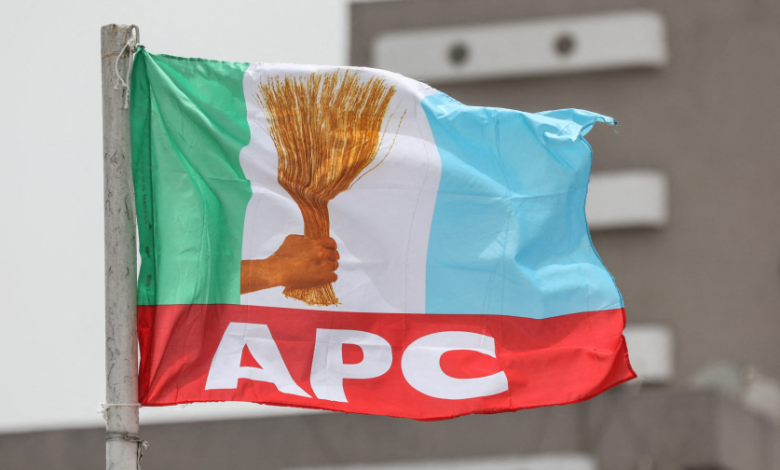
Nigeria’s ruling party set the clock ticking on 2027 Monday, releasing a primary election timetable that schedules its presidential nominating contest for May 15 and 16 — and attaching a price tag that makes the cost of ambition within the All Progressives Congress (APC) unmistakably clear.
A presidential hopeful reaching for the party’s ticket will need ₦100 million before a single vote is cast. Thirty million of that covers an expression of interest. The remaining seventy buys the nomination form itself. Governorship aspirants face a ₦50 million bill. Senate, House of Representatives and state assembly tickets are pegged at ₦20 million, ₦10 million and ₦6 million respectively — a sliding scale that reflects the party’s assessment of what each office is worth to those who want it badly enough.
The schedule, signed by APC National Organising Secretary Sulaiman Argungu, opens the sale of forms at the party’s National Secretariat on April 25, with submission of completed applications closing May 4. Screening of aspirants runs between May 6 and May 8, after which results will be published on May 11 and a two-day appeals window runs through May 13. The presidential primary follows two days later.
Read also: Wike Has Been Free To Join APC – National Chair, Yilwatda
Once the primaries begin, the party intends to move fast. House of Representatives contests are slated for May 18, Senate primaries for May 20, state assembly elections for May 21 and governorship primaries for May 23. The entire slate closes with final appeals on May 25. All primary elections, from the presidency down to state assemblies, will be conducted within eight days — a timeline that leaves little room for the drawn-out disputes that have derailed APC primary seasons before.
The party said the schedule was drawn up in compliance with the Constitution, the Electoral Act and guidelines issued by the Independent National Electoral Commission. Whether that compressed calendar is an organisational achievement or a mechanism for limiting intraparty contestation before it can properly organise is a question the next few weeks will begin to answer.
There is one structural concession written into the framework that softens the financial barrier for specific categories of aspirants. Female candidates, youth and persons living with disabilities are required to pay only the expression of interest fee and fifty percent of the applicable nomination amount — a reduction that the party framed as an effort to broaden participation among groups that have historically found the economics of Nigerian party politics prohibitive.
The fees, however, remain the story. At ₦100 million, the presidential form effectively narrows the field to individuals with either significant personal wealth or access to the kind of financial backing that comes with its own obligations. The Senate and governorship figures are not substantially more forgiving. What the APC has produced is a timetable that is logistically tight and financially restrictive — an arrangement that some within the party will read as discipline and others will read as a narrowing of the democratic field before polling day even approaches.
President Bola Tinubu has made no formal declaration of his intention to seek a second term on the APC platform. He does not need to yet. The machinery that surrounds an incumbent seeking re-election within his own party is already in motion, and the schedule Argungu signed on Monday is as much an organisational framework as it is a political signal about who controls the tempo of what comes next.
Read also: APC Convention: FG Orders Workers In FCT To Work From Home
The opposition parties watching this timetable will draw their own conclusions about how much runway they have and where the APC’s vulnerabilities lie. Peter Obi’s Labour Party, Atiku Abubakar’s ADC and the other formations assembling their 2027 campaigns now have a fixed reference point — May 25 as the date by which the ruling party’s candidates across every tier of government will have been determined.
Between now and then, the secretariat opens its doors on April 25. The forms will be available. The fees will be non-negotiable. And the eight-day sprint through which Nigeria’s most powerful party selects the people it will ask voters to return to office will tell its own story about the kind of democracy the APC believes it is building — and the price it has decided that democracy costs.