











|
Listen to article
|
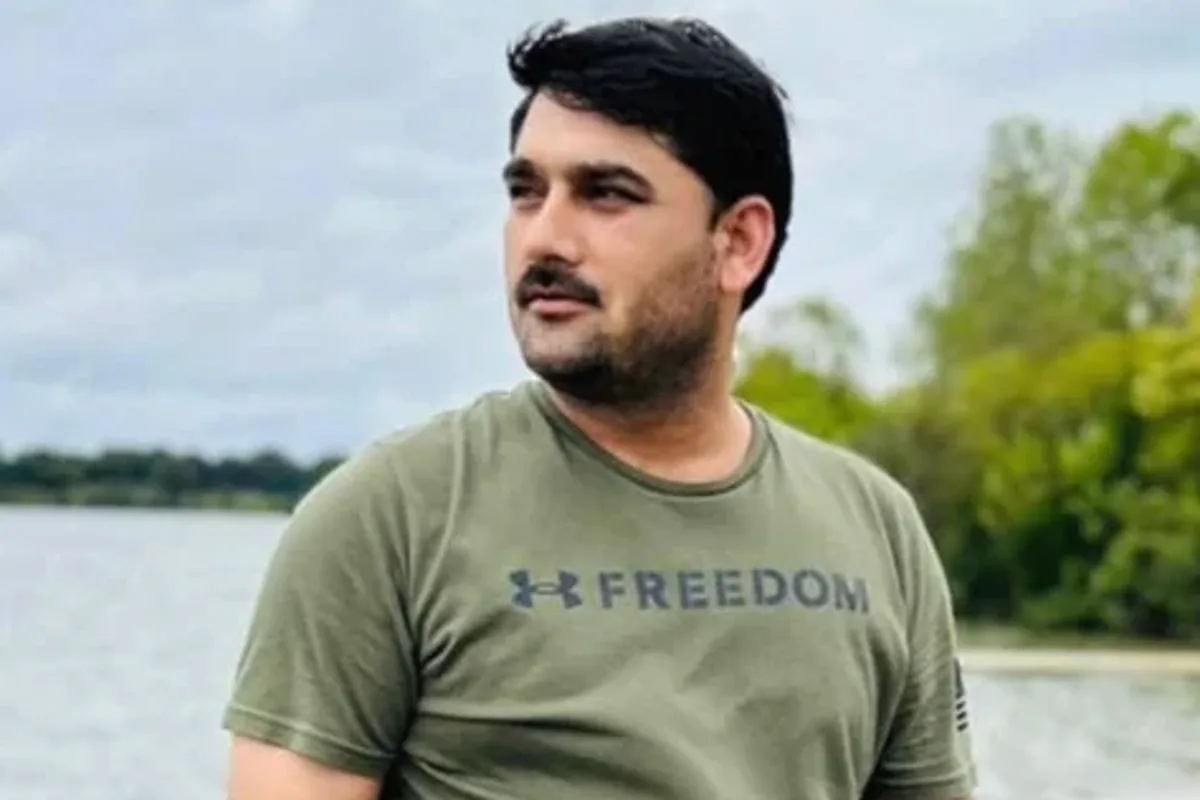
An Afghan man who worked alongside US Special Forces during the two-decade American military presence in Afghanistan died in a Dallas hospital Saturday morning, less than 24 hours after Immigration and Customs Enforcement agents arrested him — the latest death in custody to draw scrutiny to the agency’s expanding enforcement operations.
Mohommad Nazeer Paktyawal was 41 years old, the father of six children, the youngest of them 18 months old. He had been evacuated to the United States in 2021 as the Taliban swept back into power and his asylum case was still pending at the time of his arrest, according to AfghanEvac, the resettlement organisation that helped bring him and thousands of others to America after the withdrawal.
ICE arrested Paktyawal in a targeted enforcement action on Friday. He was transferred to Parkland Hospital in Dallas after complaining of chest pains and shortness of breath. The following morning, while eating breakfast, medical staff observed that his tongue had swollen. Multiple resuscitation efforts failed. He was declared dead at 9:10 a.m.
The agency has not identified a cause of death. It said Paktyawal had reported no prior medical history at the time of his arrest and that his death is under active investigation.
His family issued a statement through AfghanEvac that captured the particular incomprehension of sudden loss. “We still cannot understand how this happened,” they said. “He was only 41 years old and was a strong and healthy man.”
AfghanEvac president Shawn VanDiver called for an immediate investigation with oversight from the Department of Homeland Security Inspector General and Congress, demanding transparency about the circumstances of Paktyawal’s detention, the medical care he received, and the events leading to his death.
Read also: You Trained Afghan Killer – Taliban Govt Accuses United States
The organisation said he had no criminal convictions. ICE noted he had been arrested twice last year on charges related to food benefit fraud, but AfghanEvac said those arrests produced no charges and resulted in no conviction.
The death arrives at a moment of acute tension around ICE’s conduct. The United Nations Committee on the Elimination of Racial Discrimination condemned the agency last week for what it described as excessive use of force during immigration enforcement operations, and documented at least eight deaths during ICE operations or in ICE custody since January. Paktyawal’s case, given his background as a US military collaborator with a pending asylum claim, adds a particularly charged dimension to that pattern.
ICE said Paktyawal entered the United States in August 2021 and that his parole authorisation expired in August 2025 — making him, in the agency’s accounting, subject to removal proceedings. What the agency’s statement did not engage with was the context of who Paktyawal was and why he came to be in the United States in the first place.
The Afghan evacuation of 2021 was one of the largest and most chaotic airlifts in American history. As US forces withdrew after 20 years of war, hundreds of thousands of Afghans who had worked alongside American troops, staffed foreign embassies, or participated in US-funded civil society organisations scrambled to leave. Many had direct cause to fear Taliban reprisals. The United Nations has documented extrajudicial killings and forced disappearances of former Afghan officials and military personnel under Taliban rule, despite the group’s declared amnesty for former enemies.
Read also: US Woman Released By Taliban In Afghanistan After Torture
More than 190,000 Afghans have been resettled in the United States since the Taliban takeover, according to State Department figures — a population that arrived in large part because American officials, military commanders and resettlement advocates argued the United States had a moral obligation to the people who had taken enormous personal risks to support the American mission. Paktyawal was among them.
That history now intersects awkwardly with an enforcement posture that treats expired parole documents as sufficient legal basis for arrest, regardless of the circumstances that brought a person to the country or the risks awaiting them if removed. AfghanEvac and other resettlement groups have watched the Trump administration’s immigration crackdown reach into communities they spent years building, and Paktyawal’s death has sharpened their alarm.
The broader political backdrop is volatile. Federal immigration raids have generated protests across multiple states, most visibly in Minnesota, where tensions following a shooting involving an ICE officer prompted President Trump to threaten invoking the Insurrection Act before stepping back from the position. The administration has characterised its enforcement surge as a necessary correction after years of lax border and immigration policy. Critics argue it has swept up people with deep ties to the United States, legitimate legal claims, and no criminal records.
Paktyawal had none of his story resolved when he was arrested Friday morning. His asylum case was pending. His youngest child was a year and a half old. He had fought on the American side of a war that ended badly, made it out, and was rebuilding a life in Texas.
By Saturday morning he was dead, and no one had yet explained why.