














|
Listen to article
|
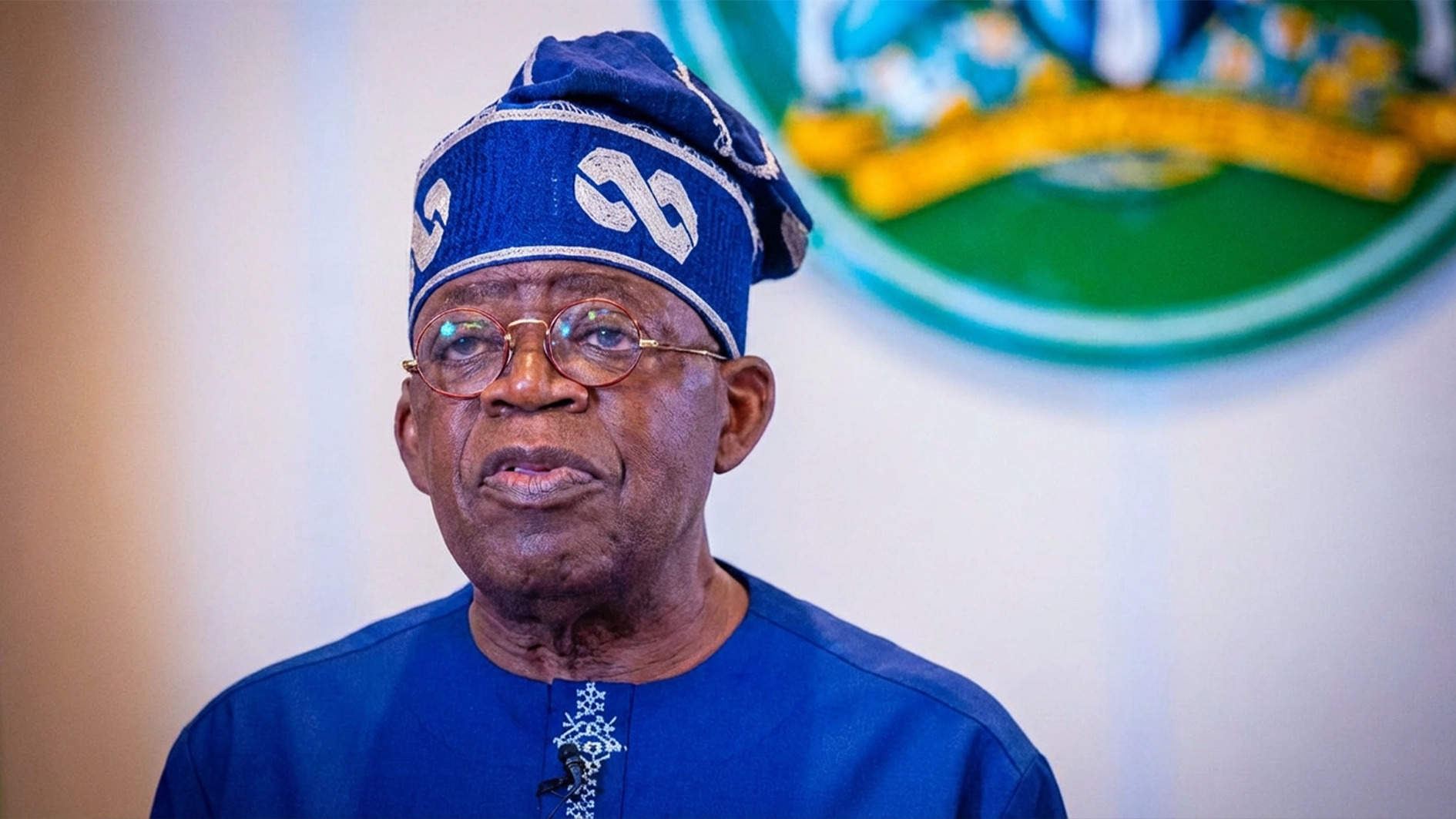
President Bola Tinubu acknowledged on Friday that Nigerian Air Force precision strikes targeting retreating Boko Haram and ISWAP fighters after the Ngoshe attack killed some civilians and soldiers in a friendly fire incident.
This is the first formal admission of collateral casualties in a counter-insurgency operation in recent memory, and one that deepened political pressure on the administration over the Gwoza attack that killed the community’s chief imam, an unspecified number of soldiers, and dozens of civilians, while leaving more than 100 residents abducted and thousands displaced.
The President mourned the loss of innocent lives, including military personnel, and those caught in friendly fire during the aerial interdiction of fleeing terrorists by the Air Force. The acknowledgement, contained in a statement by Special Adviser on Information and Strategy Bayo Onanuga, was notable for its candour: governments conducting counter-insurgency operations rarely acknowledge friendly fire publicly, and the presidential statement represented a deliberate choice to place the collateral losses within the same frame as the broader terrorist assault rather than deny or minimise them. Tinubu described the attack as a “heartless” assault targeting hapless citizens and urged Nigerians in Borno and elsewhere not to succumb to fear, framing resilience as a collective response to the insurgents’ barbarity.
The Air Component of Operation Hadin Kai eliminated more than 50 suspected Boko Haram and ISWAP terrorists through precision airstrikes targeting their withdrawal routes after the failed assault on Ngoshe community. Security sources told counter-insurgency expert Zagazola Makama that the insurgents launched a coordinated assault at approximately 7:30 p.m. on March 3 targeting Nigerian Army artillery positions in Ngoshe.
Ground troops mounted an effective defence but executed a tactical withdrawal under heavy fire to safeguard personnel and equipment while reinforcements were mobilised. The attackers adopted hit-and-withdraw tactics, retreating before additional troops fully secured the area. Upon receiving real-time intelligence from ground forces, air assets were deployed along the terrorists’ escape routes.
“The fighters were observed moving in clusters at two separate locations. Precision strikes were carried out on confirmed target clusters and movement trails. Battle damage assessment indicates that more than 50 terrorists were killed in two separate strike runs,” a military source said. The ground-air coordination under Operation Hadin Kai ensured the insurgents were engaged for approximately one hour across forested enclaves on their withdrawal routes toward the Mandara Mountains.
Senator Mohammed Ali Ndume, representing Borno South, confirmed that the chief imam of Ngoshe, community elders, and soldiers were among those killed during the initial assault. The military base was dislodged and significant equipment destroyed, with residential houses and property set ablaze by the insurgents. Security sources said the attack was launched shortly after residents broke their fast during the Muslim holy month of Ramadan, with the insurgents reportedly overwhelming the military formation with superior firepower during the opening engagement.
Ndume said more than 100 residents were missing or abducted, while thousands of civilians, mostly women and children, were displaced and sheltering in Pulka community, approximately 12 kilometres from Ngoshe. He called for intensified military operations in Sambisa Forest and the Mandara Mountains to curb activities of insurgents in southern Borno. The senator also expressed concern about what he described as inadequate equipment at frontline positions, alleging that security forces lacked sufficient Mine-Resistant Ambush Protected vehicles and other advanced weapons while terrorists deployed sophisticated Rocket-Propelled Grenades and anti-aircraft systems. He called on Tinubu to equip security agencies with more fighter jets and modern military hardware.
Read Also: Boko Haram Attacks Ngoshe Base, Kills Civilians, Abducts Women
Former Vice President Atiku Abubakar condemned the attack on social media, describing it as “deeply troubling” and alleging that the federal government’s response to such incidents had been inadequate.
“The increasing wave of violence across the country has become so widespread that both government and society appear to have become numb to the bloodshed,” Atiku said, adding that the federal government seemed to be losing its grip on the fight against terrorism. His intervention extended a pattern of opposition figures using security setbacks in the North-East as political pressure points against the administration, though the president’s own acknowledgement of friendly fire deaths made Tinubu’s statement itself more politically consequential than the external criticism.
Tinubu directed security agencies to intensify efforts to rescue those abducted during the attack and strengthen protective measures across communities in the North-East. He charged the armed forces to step up protection of civilian populations and prevent further attacks on military formations in the region.
Read Also: Kwara Boko Haram Attack: Tinubu Deploys Army Battalion
The General Officer Commanding 7 Division, Brigadier General Ugochukwu Unachukwu, and the Brigade Commander of Gwoza were deployed to Ngoshe to ensure civil authority was restored, while the Borno State Emergency Management Agency and the Gwoza Local Government chairman coordinated relief materials for displaced persons sheltering in Pulka.
The Ngoshe–Gwoza axis carries a specific historical weight in Nigeria’s counter-insurgency narrative. The community was one of the most severely affected by the Boko Haram territorial expansion of 2013 to 2015, when insurgents occupied large swathes of Borno State and forced residents to take refuge in Cameroon for more than a decade. Ngoshe was resettled as part of the government’s return-and-recovery programme, making Tuesday’s attack a direct assault on the symbolic progress of that effort. Community leaders issued a public appeal Friday for emergency donations of food, clothing, blankets, and household items for displaced residents — a humanitarian call that underscored the gap between the military’s counter-offensive success against the fleeing insurgents and the civilian cost absorbed by the community they failed to protect in the initial hours of the assault.
No timeline was given for the rescue operation for those abducted, and total confirmed casualties among civilians, soldiers, and insurgents had not been officially published by Friday afternoon.