














|
Listen to article
|
The World Health Organisation’s cancer research arm has moved from preparatory desk work into active fieldwork in Ogoniland, Rivers State, beginning blood sample collection from communities that have lived alongside oil contamination for more than six decades, the first systematic scientific investigation of human health in a territory whose environmental devastation was documented by a landmark United Nations study 15 years ago but whose recommended medical follow-up was never funded until now.
Scientists from the International Agency for Research on Cancer and partner institutions have launched a study under the Hydrocarbon Pollution Remediation Project to investigate the health impacts of hydrocarbon pollution on the people of Ogoniland.
The study team will collect blood samples and information about the living conditions of people, including their exposure to pollutants and other health risks, from approximately 4,000 people, including men, women, and children, to measure the levels of hydrocarbon exposure and assess whether any impacts on health have occurred. Samples will also be taken from areas where groundwater and crops are contaminated with hydrocarbons.
IARC team leader Dr Joachim Schüz described the intent of the research in unambiguous terms: “We do not want to be speculating. We need to show it. We need to prove what is going on beneath.” Children, he noted, require specific analytical attention because their smaller body mass and higher physiological exposure rates relative to adults make them a particularly vulnerable cohort in contaminated environments.
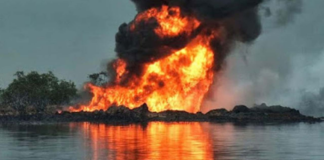
The study’s mandate flows directly from the 2011 UNEP Environmental Assessment of Ogoniland, the most comprehensive investigation ever conducted of a polluted oil-producing environment in Africa. That report, prepared after two years of field surveys between 2009 and 2011 and covering more than 200 locations across the four kingdoms of Ogoniland, found hydrocarbon contamination at levels exceeding Nigerian and international standards across drinking water, soil, sediment, and air. It found benzene, a known human carcinogen, in drinking water samples at concentrations 900 times above WHO safety limits.
Read Also: Funding Crisis Hits Global Health As WHO Warns Of Pandemics
The UNEP study found that the people of Ogoni had been exposed to carcinogenic contaminants and concluded that “given this prolonged exposure, it is likely that some residents may have developed cancer-related illnesses.” Among its key recommendations was a focused public health study to determine whether that exposure had translated into measurable disease, a recommendation that went unimplemented for 14 years while the environmental remediation programme moved forward without its medical complement.
HYPREP Project Coordinator Professor Nenibarini Zabbey, speaking at the study’s inception meeting, said that the commencement of the Ogoni Public Health Study brought the project to the point of concurrent implementation of the key UNEP recommendations for the first time since remediation began.
The desk work, mapping, and preliminary research phases began in mid-2025. The fieldwork phase, collection of blood samples from living participants, environmental sampling from contaminated water and crop sources, and structured interviews on occupational and residential exposure histories, is now under way following consent from traditional rulers of Gokana and Tai local government areas.
The study’s design reflects the complexity of exposure in a landscape where contamination has been continuous since oil was first struck at Oloibiri in Bayelsa State in 1956, and where Shell Petroleum Development Company and other operators extracted hundreds of millions of barrels over subsequent decades before withdrawing following the 1993 Ogoni Bill of Rights campaign and the international crisis that followed the execution of Ken Saro-Wiwa and eight other Ogoni activists by the Abacha military government in November 1995. Participants will be drawn from impacted and non-impacted communities in equal proportion to establish a comparative baseline. Individuals will be stratified by occupational exposure, farmers, fishermen, sand miners, and artisanal refinery operators face demonstrably different hydrocarbon contact levels than residential populations not directly engaged in those activities. The combination of biomonitoring data, environmental sampling, and exposure history will allow the IARC team to construct dose-response relationships rather than simply identifying elevated disease prevalence.
Read Also: Rivers Crisis: Tinubu Meets Wike, Fubara, Ogoni Leaders, Others
The study is expected to build capacity for local health professionals and provide clear recommendations for public health responses based on its findings. Parallel to the study, HYPREP is constructing the Ogoni Specialist Hospital, currently at 76.8 per cent completion, which will include a dedicated oncology unit to address cancer-related illness identified through the study, as well as an infectious disease unit and other specialist departments equipped with advanced imaging technology including MRI. The Buan Cottage Hospital, a secondary facility serving communities at greater distance from the specialist hospital site, stands at 98.7 per cent completion. As of November 2025, 45 Ogoni communities now have access to clean and safe drinking water through HYPREP’s water station programme, with over 7,000 women and youth having benefited from employment opportunities linked to the remediation programme.
The blood samples and environmental specimens collected during fieldwork will be processed by IARC in Lyon, where the agency holds WHO’s reference laboratory infrastructure for cancer epidemiology, and by partner institutions within Nigeria. Results will not be available before the study’s projected completion in approximately two and a half years from the mid-2025 baseline date. Whether those findings, when published, produce the concrete epidemiological evidence of hydrocarbon-driven disease that UNEP’s 2011 report anticipated but could not itself confirm, and what regulatory, legal, and remediation consequences would follow, is among the questions that will define the next phase of Ogoni’s environmental history.